
When you build a video around real emotion, you don’t just make something people remember, you give programs like AMIC a story that carries their importance forward.

Lately we’ve been doing some research into what makes a video really stick. And the one thing that keeps coming up over and over again (and is something we already knew) is emotion. Good or bad, if you make someone feel something through video, they are more likely to remember it. Now, with this at the front of our creative minds, we wondered what it would look like to incorporate this ethos into every project we touch.
For some projects this looked like humour, and for others it looked like joy. For one project in particular, this looked like pride. Pride in the story being told, pride in the program being spoken about, and pride in seeing the rich history of a program that changed so many lives for the better.
Aboriginal Birthing in Aboriginal Hands tells the story of the AMIC program, how it came to be and everything it grew to be today. It draws on recounts from the original midwives who petitioned for the AMIC program, students currently completing the specialisation, and mothers who have been part of the program itself. It does this by handing the story over to the people who lived it. It details the importance of the program, and also what the alternatives would be if the program wasn’t around.
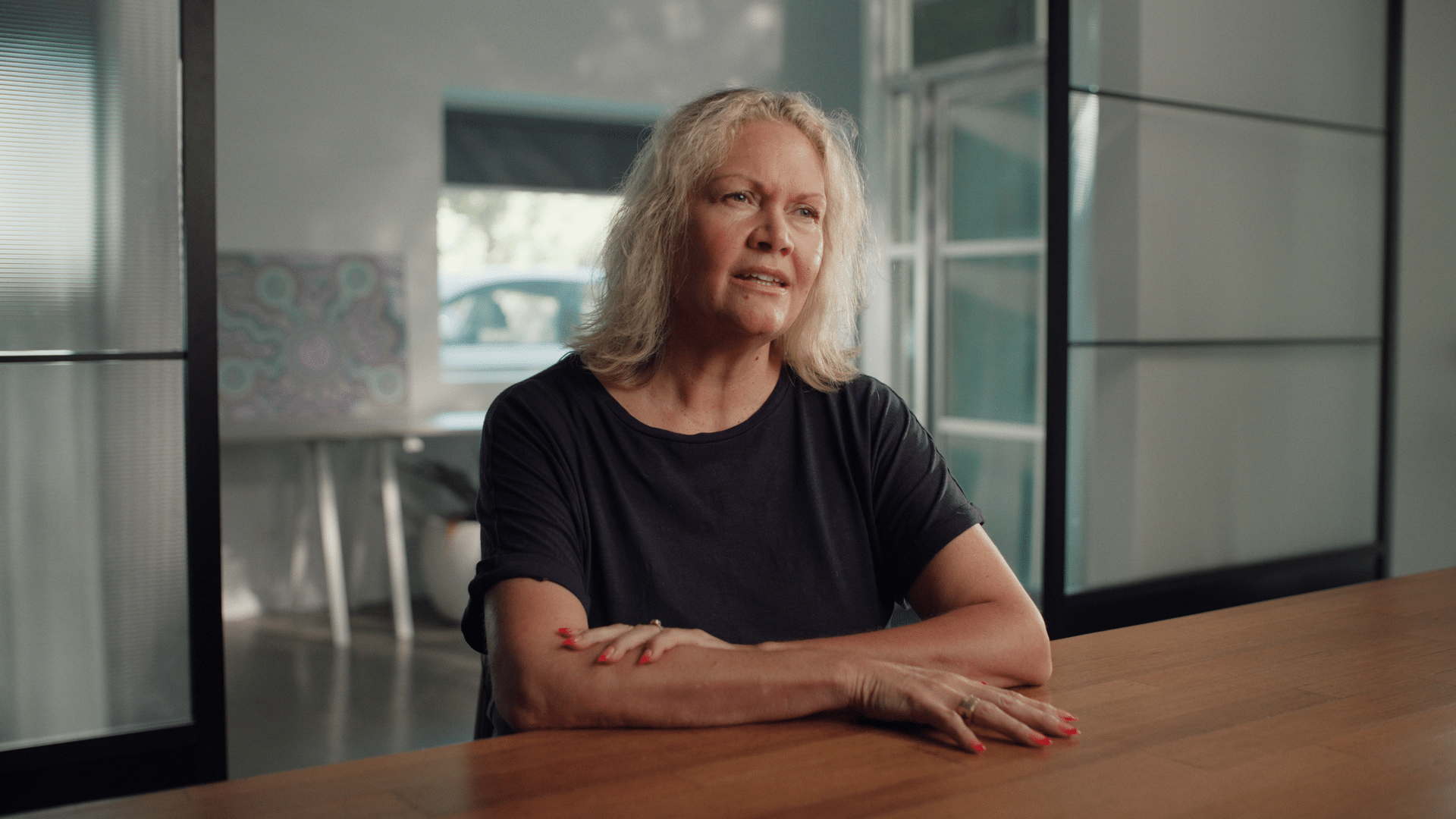
The stories all the interviewees told made up the storyline of the film, which in turn made the film deeply emotional, because the one thing all the people involved in the interviews had in common was pride. Pride for the program and its history. Pride that they are able to pass down the knowledge that has been passed down for generations. Pride that their community can continue these traditions.
This lines up with what Mark Ritson has pointed to in his own research on advertising effectiveness, that it’s the strength of the feeling an audience takes away, not which specific emotion it is, that makes something stick. This film worked to move its audience emotionally, and it did that through the people involved and the emotive story they told together.
This article draws on Mark Ritson’s research into what makes advertising creative effective, which found that campaigns built on strong emotion, distinctive assets, and time consistently outperform those without. His point that it’s the strength of the feeling an audience takes away, rather than which specific emotion it is, informed how we approached the AMIC documentary.
AMIC stands for Aboriginal Birthing in Aboriginal Hands, a program that trains Aboriginal health workers as midwives so that Aboriginal women can be supported through pregnancy and birth by their own community. The documentary tells this story through the people who built and continue to carry the program forward.
Pride was the emotion that came through naturally in every interview, from the original midwives to current students to mothers who had been part of the program. Rather than direct the story toward a particular feeling, we let the emotion that was already there, pride in the program and its history, carry the film.
Yes. When people speak from their own experience rather than reading a script written for them, the emotion in what they say is already genuine, which makes it more likely to resonate with an audience and stay with them afterward.
